


The Truman Show: A Masterpiece of Cinematic Storytelling
By Angel Dukashe
Released in 1998, The Truman Show is a satirical science fiction film that has left an indelible
mark on the world of cinema. Directed by Peter Weir and written by Andrew Niccol, this film
delves into the themes of reality, privacy, and media manipulation, making it a timeless piece
that continues to resonate with audiences.

The story centres around Truman Burbank, played brilliantly by Jim Carrey, who lives an
idyllic life in the seemingly perfect town of Seahaven. However, unbeknownst to him, his
entire life is broadcast 24/7 to the world. Truman's friends, family, and everyone in his
town are actors, and his every move is orchestrated by the show's creator, Christof, portrayed by Ed Harris.
The surrounding discrepancies drive him to question reality. His journey of self-discovery
and the quest for freedom forms the crux of the film. The climax sees Truman confronting his
fears and stepping into the unknown, leaving the fabricated world of Seahaven behind. The Truman Show is rich with themes and symbolism. The film also delves into the ethical implications of surveillance and the invasion of privacy. Truman's life is open and bare, disregarding his consent or autonomy, reflecting the modern concerns of privacy in the age of social media and reality TV.
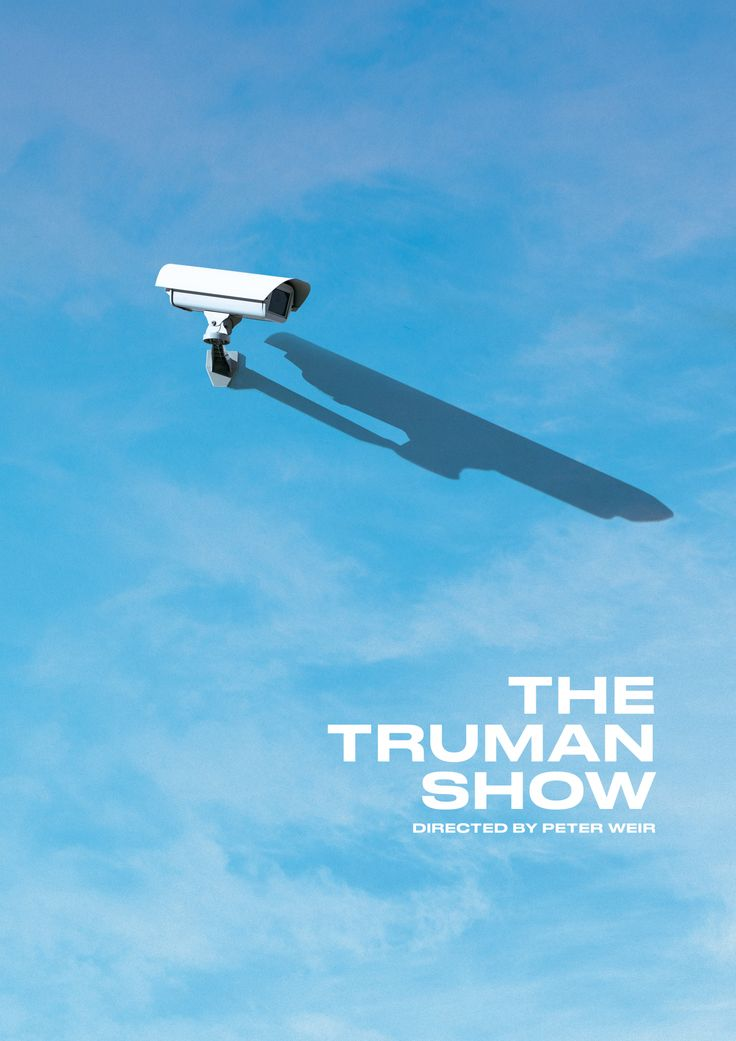
Jim Carrey, primarily known for his comedic roles, delivers a nuanced and heartfelt performance as Truman. His portrayal captures the innocence, confusion, and eventual determination of a man seeking the truth. Ed Harris is equally compelling as Christof, the show’s mastermind, his character embodying the god-like control and ethical blindness of those in power. Peter Weir's masterful direction balances the film's satirical elements with deeper, more philosophical questions. The use of hidden cameras and unusual angles gives the audience a voyeuristic view, reinforcing the theme of surveillance. The bright, utopian setting of Seahaven contrasts sharply with the darker undertones of the story.
The film's score, composed by Burkhard Dallwitz and Philip Glass, enhances the emotional
depth of the narrative. The music ranges from light and whimsical to haunting and
introspective, perfectly aligning with Truman's journey. Produced by Scott Rudin, Andrew
Niccol, Edward S. Feldman, and Adam Schroeder, The Truman Show was a critical and
commercial success. It was praised for its originality, thought-provoking narrative, and
Carrey's performance.
The film has since become a cultural touchstone, often referenced in discussions about media ethics and the nature of reality. The Truman Show is a cinematic gem that continues to be relevant in today's media-saturated world. Its exploration of reality, privacy, and human autonomy challenges audiences to reflect on their lives and their world. With stellar performances, insightful direction, and a powerful narrative, The Truman Show remains a must-watch film that transcends its time.


Comments